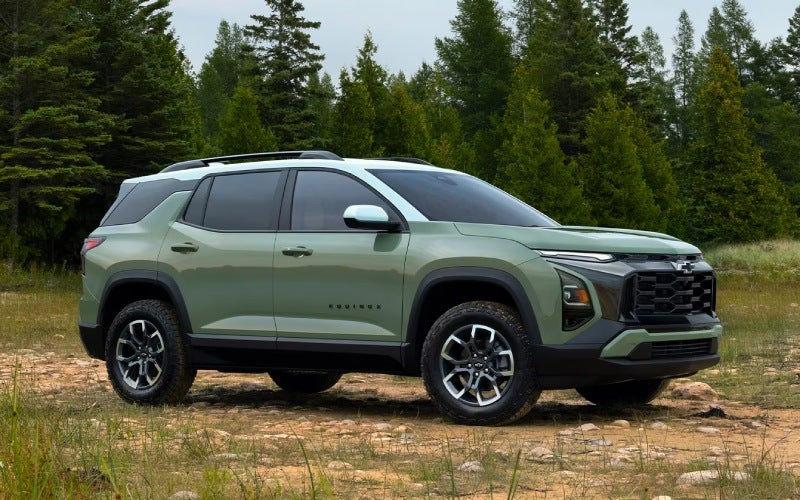

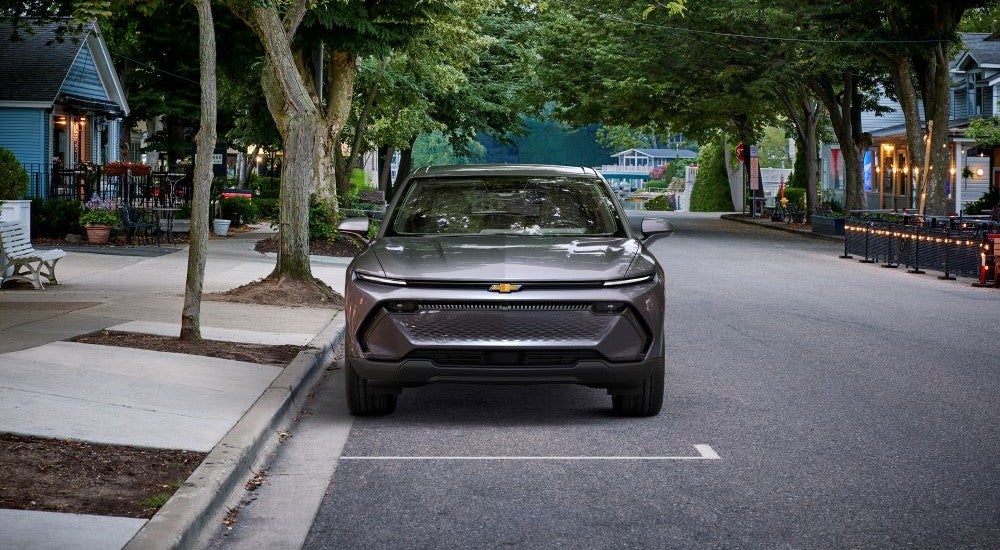
This is a question we get asked all the time. We love answering it, since it helps our customers choose the right vehicle. Whether you're already interested in Certified Pre-Owned cars for sale or you are still considering different options, we can help. Let's go over some advantages you enjoy when you choose a Certified Pre-Owned (CPO) vehicle.
Are CPO Models Different from Other Used Cars?
CPO vehicles are similar to other used models in that they have had one or more previous owners. That's about where the similarities end, however, because CPO models have a number of benefits beyond what you get with other used vehicles.
Each manufacturer sets the requirements and benefits for its CPO programs. When you're comparing models, it's important to consider the specifics of each program. We'll use Honda and Subaru as examples to keep everything simple and further illustrate this point.
CPO Models Have Certain Requirements
One of the first benefits of a CPO vehicle is that each model must meet certain requirements before it can be offered to you. A used vehicle can be just about anything that has had a previous owner. You might see one used car with only 20,000 miles, and another that has been around for 20 years, is over 250,000 miles, and has had seven previous owners.
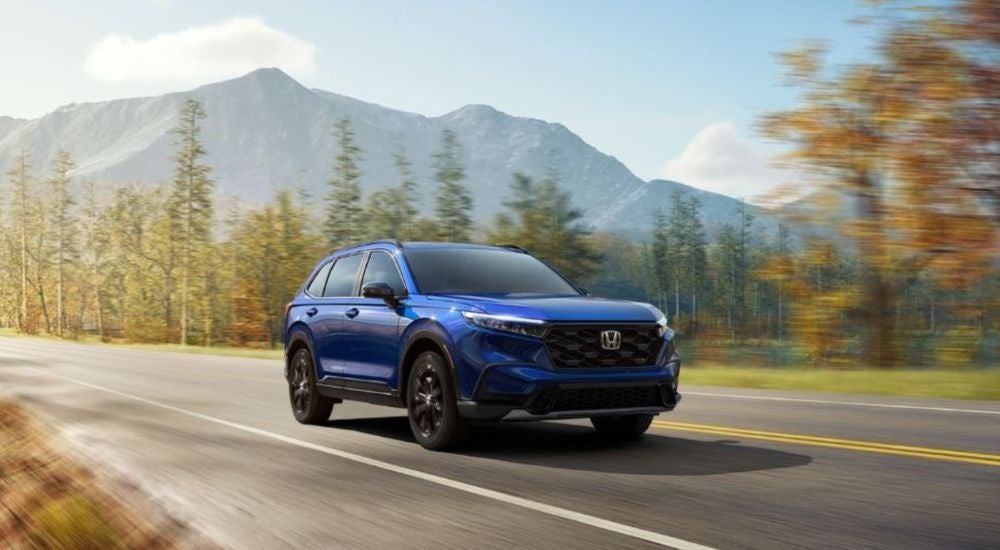
CPO models typically have to meet specific requirements based on their age and mileage. HondaTrue Certified, for example, must be from the last six model years and cannot have more than 80,000 miles. Other car companies have less strict requirements, so check out the details of any CPO program you're interested in.
The Certified Vehicle Inspection Process
In addition to meeting specific mileage and age requirements, vehicles must pass an extensive inspection process before they can be offered as CPO models. This inspection is performed by a certified technician or service expert, using a checklist provided by the car company. Once again, there can be differences between them from one manufacturer to another.
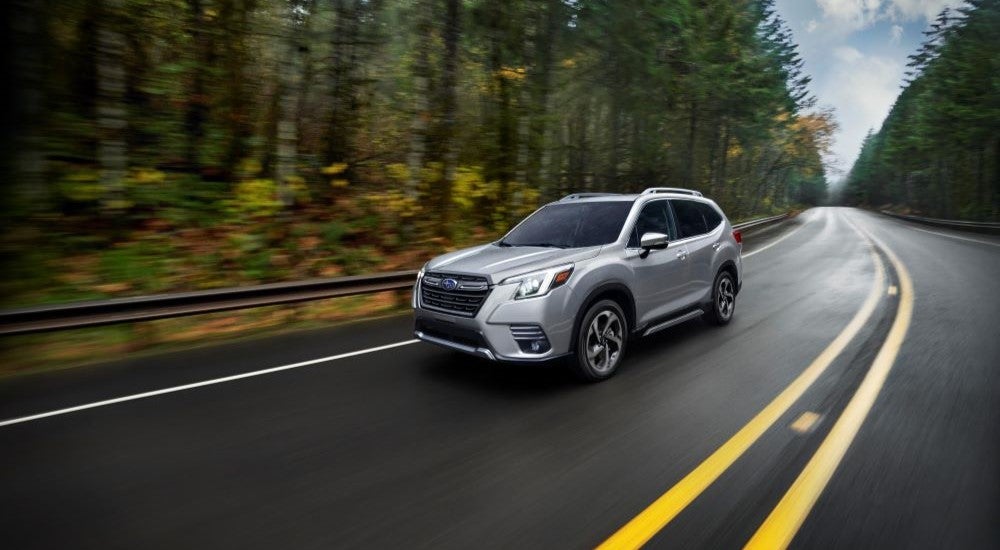
HondaTrue Certified vehicles must pass a rigorous 182-point inspection, whereas Subaru CPO models must pass a 152-point inspection. That's a pretty big difference, but in both cases it ensures that major parts of the vehicle are in great shape. A road test is included, along with addressing any recall repairs or similar issues.
Warranty Protection for CPO Vehicles
So far, we've looked at the requirements for CPO models and how they give you greater peace of mind when you choose one of these vehicles. Those are important, but they don't necessarily benefit you as you drive each day. CPO models offer numerous benefits that enhance ownership, starting with warranty protection.
Powertrain Warranty Coverage
New vehicles are sold with numerous warranties, including one for the powertrain and another for overall coverage. CPO models provide you with powertrain warranty coverage that typically builds on the vehicle's warranty when it was sold new. It's important to note that this usually starts based on the date the vehicle first hit the road.
Both Honda and Subaru CPO offer a seven-year/100,000-mile powertrain warranty. The coverage is identical between these two companies, but that's not always the case. New Subaru models are sold with a five-year/60,000-mile powertrain warranty. Their CPO program adds two years and up to 40,000 miles of coverage to this as a benefit. This protection is one of the main reasons many people choose a CPO model.
Non-Powertrain Warranty Coverage
The other major warranty worth keeping in mind with vehicles is the overall or non-powertrain warranty. This covers parts beyond the engine, transmission, and other components included with the first warranty we looked at. In general, this is shorter for vehicles since so much is covered, but quite important. Let's see what Honda and Subaru offer for their CPO programs:
- Honda: Additional two-year/100,000-mile non-powertrain warranty
- Subaru: Balance of original three-year/36,000-mile non-powertrain warranty
These benefits are very different. New Honda and Subaru models come with a three-year/36,000-mile warranty that covers just about everything. With a CPO Subaru, any remaining new-vehicle warranty coverage is honored. A HondaTrue Certified car, however, adds two more years and extends coverage to 100,000 miles, which is among the best coverage in the industry.
Roadside Assistance and Other Benefits
As you can see, the advantages of going with a CPO vehicle are already quite clear. You get tremendous peace of mind with one of these models, between the high standards they have to meet and the warranty coverage they come with. This is far beyond what you will find with a typical used car. But that's not all they have to offer.
Most CPO programs add a number of additional benefits that help you get the most from these vehicles. Again, these are benefits that you won't usually find with other used cars out there. As an example, HondaTrue Certified vehicles also come with:
- 24/7 Roadside Assistance
- Two complimentary oil changes in the first year
- A three-day exchange policy
- Trip interruption coverage
- Concierge service for your Honda
- Complimentary 90 days of SiriusXM service
- $0 deductible for covered repairs
Subaru offers several similar options, including roadside assistance, a $500 loyalty coupon, and additional coverage for greater warranty protection. These benefits can greatly improve your time with your vehicle. They can be easy to overlook, but if you find yourself in a bad situation late at night, that roadside assistance can be a real lifesaver.
Are There Any Downsides to CPO Models?
It's only fair, when looking at the benefits of choosing a CPO vehicle, to also consider whether there are any drawbacks to going with one of these models. If they were just like other used cars but better in every way, they would certainly have completely replaced basic pre-owned vehicles by now. Although they are better in most ways, they're not perfect.
The biggest downside of a CPO vehicle is typically the price. These benefits are not without cost, and you can trust a CPO model to be in excellent condition. That means it has experienced less depreciation than many other used cars, so its value has not fallen as much. As a result, CPO vehicles generally cost a bit more than comparable used cars.
They still have a lower price than new models, in general, so they do represent a savings. You can see them as a middle ground between new and used models. CPO vehicles offer added benefits, such as a warranty, while costing less, though not as little as some other used cars. They can also be harder to find, which is where choosing the right dealer comes into play.
Enjoy the Benefits of a CPO Vehicle Today
With all of these advantages and benefits, you can see why we're big fans of certified used cars, and why a lot of drivers are too. The added peace of mind that you get with one of these vehicles is hard to beat and even harder to put a price on. At our LaFontaine Automotive Group dealerships, our friendly teams can show you a variety of CPO models and help you choose the right one.