

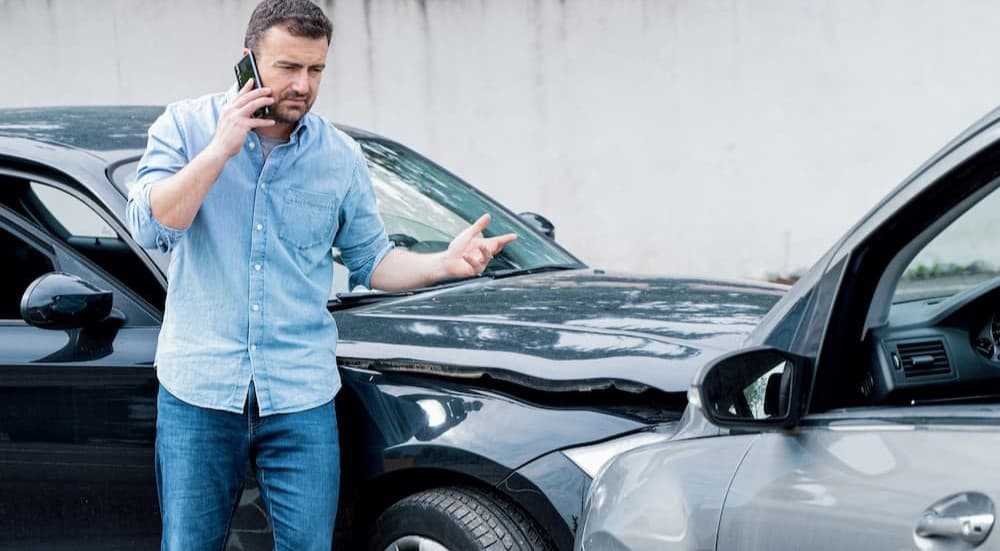
Visiting an auto body shop isn’t something any car owner looks forward to. Often, it means you’ve been involved in an accident, and the vehicle will need significant repairs before it’s legal and safe to drive again. Before you even arrive at the body shop, there’s undoubtedly a lot going through your head, including whether insurance will cover the repairs and how to get where you need to go while the car is being fixed.
At Lafontaine Automotive Group, we know motor vehicle accidents happen, over six million of them a year, according to the National Highway Traffic Safety Administration, making it likely that even the best drivers will be involved in at least one crash during their lifetime. Our goal is to make the aftermath as stress-free as possible so you can get back on the road. This step-by-step guide covers what to do if you get in a car accident, from the moments immediately after the crash through driving your repaired vehicle away.
Assess and Document the Scene
We know it’s likely your head will be spinning, and your heart will be racing after a crash. Take a deep breath and do your best to stay calm and evaluate the scene. First, check yourself and any passengers for obvious injuries. Then determine whether the car is still movable. If it is, get the vehicle as far to the side of the road as possible, then turn on your hazard lights or set up road flares to provide further warnings to other drivers.
From there, review the extent of the damage and take pictures from several angles. If another vehicle was involved, take pictures of that car and exchange all information with the other driver, including name, contact information, insurance policy number, vehicle description, and driver’s license number. You should also request the names and contact information of any witnesses to the accident. All this will help protect you against potential fraud, legal liability, or denial of a claim.
Contact Law Enforcement
The state of Michigan requires anyone involved in an accident on public roads to contact the police if a person is injured or if there is more than $1,000 worth of vehicle damage. Even if these conditions don’t apply, though, calling 911 is still a good idea. Officers can take control of the scene, redirect traffic, collect statements, and file a police report to document the event. Along with submitting this report to your insurance company, you should also request a copy for your records.
When speaking to the officer, stay neutral, avoid speculation, and focus on facts. It’s natural to feel bad after an accident. However, even if you think you might have been at fault, never say so at the scene. This can be used against a driver by their insurance company, even in the context of possible criminal proceedings. Leave the determination of fault up to the authorities and the insurance adjuster.

Contact Your Insurance Provider
Now we’re at the point of starting an insurance claim. There are often several ways to do this, including over the phone, online, or using a mobile app. In each case, provide all the information you have, including the date, time, and location of the accidents, and any damage photos and reports. A claims representative will clarify what information is necessary and how to proceed.
Note that you should always contact your insurance company even if you don’t believe you were responsible for the accident. Michigan is a “no-fault” state, meaning that apart from a few exceptions, it’s up to your provider to cover collision repairs regardless of who was at fault. Even if you’re in an at-fault jurisdiction, the person responsible may not have insurance coverage, or at least not enough to fully pay for the damage. You don’t want to unexpectedly be on the hook for a big bill, so it’s always better to be safe than sorry.
Get the Vehicle Transported to a Collision Center
The next step is to get your car to a body shop, whether it’s one you choose or a place the insurance company recommends. If law enforcement deems the vehicle safe to drive, you can bring it there yourself. Otherwise, the insurance provider will arrange towing and may help you find a way to get home or to a safe location. Never accept an unsolicited offer to tow your vehicle due to the high risk of “tow bandits.”
Once the vehicle arrives at the collision center, an insurance adjuster will inspect the car and determine whether the claim is approved. From there, the body shop will conduct its own damage inspection and provide an estimate of repair costs. A good collision center will give you the estimate in writing before they start and work directly with your insurance company on the claim. Be forewarned, though, that if the repair estimate exceeds what the insurance company determines the vehicle is worth, they may declare it a “total loss” and seek replacement rather than repair.
Know What Questions to Ask the Body Shop
You should always work with a reputable body shop that you know will do high-quality work, ensuring your repaired car looks and runs like new as long as you continue to own it. Asking the right questions will help you decide whether to let them proceed with the repair work. The most important questions are:
- Is the collision center factory-certified to work on your vehicle make and model?
- How long will repairs take?
- If re-painting is required, can they match the original coating?
- What warranty do they provide for parts and labor?
- Does the shop cover your vehicle against fire, theft, accidental damage, or any other disasters that might happen while it’s there?
Arrange Alternative Transportation
Finally, you need a way to get around while the collision center is working on your vehicle. Most major insurance providers offer the option to include rental car coverage on your policy for a certain amount of time and/or miles. Others have “trip insurance” if you were far from home when the crash happened. Review your policy thoroughly or talk to the claims representative to confirm eligibility. If the policy does not cover rentals, some body shops will provide a short-term loaner or rent you a vehicle for extended repairs.

Bring Your Car to LaFontaine Automotive Group for Collision Services
The next time you’re in a fender-bender or a major crash, remember this checklist and count on us. We have seven collision centers throughout Southeast and Central Michigan, so a proven body shop is always close by. Our technicians have experience working on all vehicle makes and models. We accept all major auto insurance providers and back our collision repair work with a lifetime warranty.
Furthermore, with LaFontaine’s Collision Care +, you get lower repair costs and peace of mind for no additional charge. Enroll today and receive three years of coverage on all vehicles you own or lease and have insured. If you submit an approved collision or comprehensive insurance claim to us during this time, we’ll refund your deductible up to $500, and there’s no limit on total claims. The program also includes complimentary loaner vehicles if the car being serviced is for personal use. From paintless dent repair and glass replacement to new body panels, tires, and suspension parts, we are the area’s collision specialist, assisting you throughout the process and answering all your questions.


