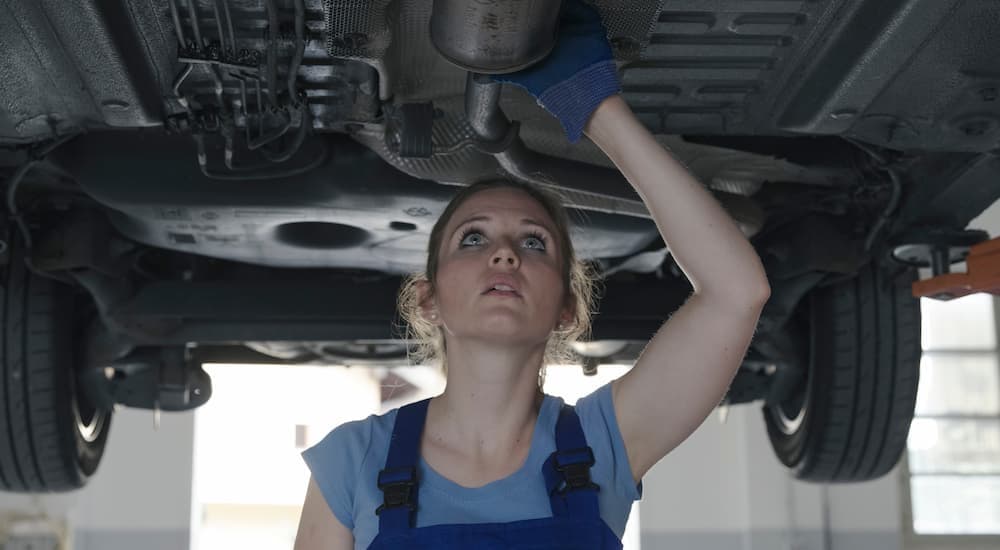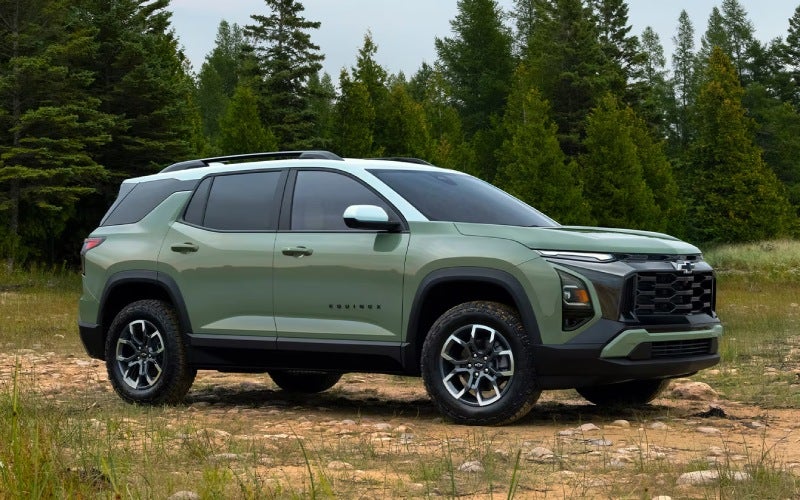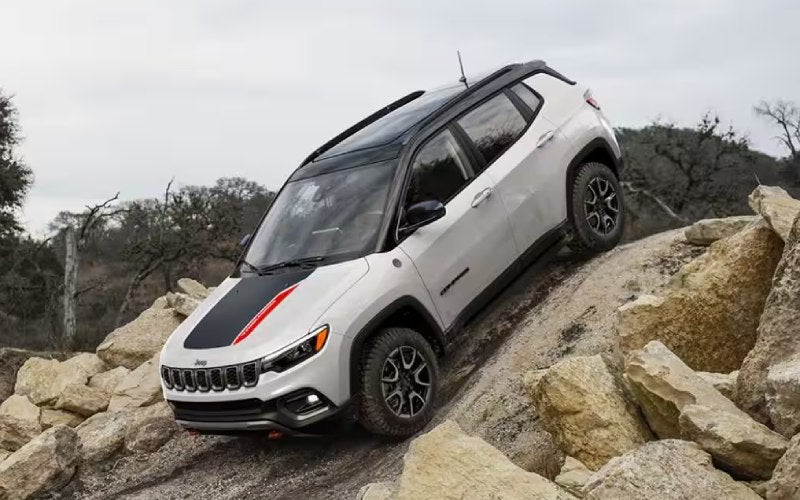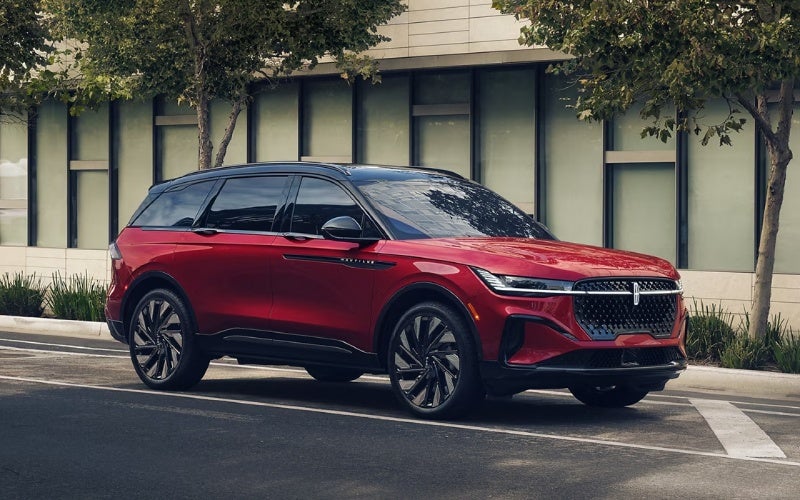

This is a question we get asked all the time. We love answering it, since it helps our customers choose the right vehicle. Whether you're already interested in Certified Pre-Owned cars for sale or you are still considering different options, we can help. Let's go over some advantages you enjoy when you choose a Certified Pre-Owned (CPO) vehicle. Are CPO Models Different from Other Used Cars? CPO vehicles are similar to other used models in that they have had one or more previous owners. That's about where the similarities end, however, because CPO models have a number of benefits beyond what you get with other used vehicles. Each manufacturer sets the requirements and benefits for its CPO programs. When you're comparing models, it's important to consider the specifics of each program. We'll use Honda and Subaru as examples to keep everything simple and further illustrate this point. CPO Models Have Certain Requirements One of the first benefits of a CPO vehicle is that each model must meet certain requirements before it can be offered to you. A used vehicle can be just about anything that has had a previous owner. You might see one used car with only 20,000 miles, and another that has been around for 20 years, is over 250,000 miles, and has had seven previous owners. CPO models typically have to meet specific requirements based on their age and mileage. HondaTrue Certified, for example, must be from the last six model years and cannot have more than 80,000 miles. Other car companies have less strict requirements, so check out the details of any CPO program you're interested in. The Certified Vehicle Inspection Process In addition to meeting specific mileage and age requirements, vehicles must pass an extensive inspection process before they can be offered as CPO models. This inspection is performed by a certified technician or service expert, using a checklist provided by the car company. Once again, there can be differences between them from one manufacturer to another. HondaTrue Certified vehicles must pass a rigorous 182-point inspection, whereas Subaru CPO models must pass a 152-point inspection. That's a pretty big difference, but in both cases it ensures that major parts of the vehicle are in great shape. A road test is included, along with addressing any recall repairs or similar issues. Warranty Protection for CPO Vehicles So far, we've looked at the requirements for CPO models and how they give you greater peace of mind when you choose one of these vehicles. Those are important, but they don't necessarily benefit you as you drive each day. CPO models offer numerous benefits that enhance ownership, starting with warranty protection. Powertrain Warranty Coverage New vehicles are sold with numerous warranties, including one for the powertrain and another for overall coverage. CPO models provide you with powertrain warranty coverage that typically builds on the vehicle's warranty when it was sold new. It's important to note that this usually starts based on the date the vehicle first hit the road. Both Honda and Subaru CPO offer a seven-year/100,000-mile powertrain warranty. The coverage is identical between these two companies, but that's not always the case. New Subaru models are sold with a five-year/60,000-mile powertrain warranty. Their CPO program adds two years and up to 40,000 miles of coverage to this as a benefit. This protection is one of the main reasons many people choose a CPO model. Non-Powertrain Warranty Coverage The other major warranty worth keeping in mind with vehicles is the overall or non-powertrain warranty. This covers parts beyond the engine, transmission, and other components included with the first warranty we looked at. In general, this is shorter for vehicles since so much is covered, but quite important. Let's see what Honda and Subaru offer for their CPO programs: Honda: Additional two-year/100,000-mile non-powertrain warranty Subaru: Balance of original three-year/36,000-mile non-powertrain warranty These benefits are very different. New Honda and Subaru models come with a three-year/36,000-mile warranty that covers just about everything. With a CPO Subaru, any remaining new-vehicle warranty coverage is honored. A HondaTrue Certified car, however, adds two more years and extends coverage to 100,000 miles, which is among the best coverage in the industry. Roadside Assistance and Other Benefits As you can see, the advantages of going with a CPO vehicle are already quite clear. You get tremendous peace of mind with one of these models, between the high standards they have to meet and the warranty coverage they come with. This is far beyond what you will find with a typical used car. But that's not all they have to offer. Most CPO programs add a number of additional benefits that help you get the most from these vehicles. Again, these are benefits that you won't usually find with other used cars out there. As an example, HondaTrue Certified vehicles also come with: 24/7 Roadside Assistance Two complimentary oil changes in the first year A three-day exchange policy Trip interruption coverage Concierge service for your Honda Complimentary 90 days of SiriusXM service $0 deductible for covered repairs Subaru offers several similar options, including roadside assistance, a $500 loyalty coupon, and additional coverage for greater warranty protection. These benefits can greatly improve your time with your vehicle. They can be easy to overlook, but if you find yourself in a bad situation late at night, that roadside assistance can be a real lifesaver. Are There Any Downsides to CPO Models? It's only fair, when looking at the benefits of choosing a CPO vehicle, to also consider whether there are any drawbacks to going with one of these models. If they were just like other used cars but better in every way, they would certainly have completely replaced basic pre-owned vehicles by now. Although they are better in most ways, they're not perfect. The biggest downside of a CPO vehicle is typically the price. These benefits are not without cost, and you can trust a CPO model to be in excellent condition. That means it has experienced less depreciation than many other used cars, so its value has not fallen as much. As a result, CPO vehicles generally cost a bit more than comparable used cars. They still have a lower price than new models, in general, so they do represent a savings. You can see them as a middle ground between new and used models. CPO vehicles offer added benefits, such as a warranty, while costing less, though not as little as some other used cars. They can also be harder to find, which is where choosing the right dealer comes into play. Enjoy the Benefits of a CPO Vehicle Today With all of these advantages and benefits, you can see why we're big fans of certified used cars, and why a lot of drivers are too. The added peace of mind that you get with one of these vehicles is hard to beat and even harder to put a price on. At our LaFontaine Automotive Group dealerships, our friendly teams can show you a variety of CPO models and help you choose the right one.

6 Benefits of Selling Your Car to a Dealership
You might be looking for a simple answer to, “How do I sell my car?” Managing this process without added stress or inconvenience can feel impossible because, truthfully, selling a car is a project in itself. You have to determine its value, find a buyer willing to pay your asking price, coordinate test drives, and handle the paperwork—and that’s if everything goes smoothly! Partnering with a dealership offers a straightforward path, with everyone at the LaFontaine Automotive Group delivering a world-class experience worthy of your time and trust. So, why sell to one of our dealerships? It’s time to learn more… #1 - Spend Less Time Finding a Buyer A private sale puts you in charge of the entire process. That control can feel empowering, but it also comes at a significant cost: your time, your convenience, and, in some cases, your safety. Preparing your vehicle can require an initial investment, such as fixing minor issues or paying for a professional detailing to make a positive first impression. Then you have to take photos, create the listing, respond to messages, field questions, and arrange meetings with potential buyers. Some inquiries may go nowhere, while others lead to negotiations that never result in a sale. The Dealer Benefit Selling your vehicle to a dealership can be simpler and more convenient because you skip several steps, such as advertising and waiting for the right buyer. Most often, too, you don’t need to detail your car or make minor cosmetic repairs before requesting an offer. Our dealerships can evaluate your vehicle based on its condition, current market demand, and other relevant factors, such as age and mileage. The result is less time negotiating with strangers and more time to do whatever you want. #2 - Get an Appraisal From True Experts How much is your car worth? That’s an important question, but finding a reliable answer takes more than a quick online search for comparable listings. Your vehicle’s value depends on several factors, including age, mileage, condition, maintenance history, equipment, and current market demand. Two vehicles of the same make and model can be valued differently depending on how they’ve been driven and maintained. You can research estimated values online, but those figures are general guidelines and starting points, not guaranteed offers. The Dealer Benefit When you bring your vehicle to one of our dealerships, you can get a professional appraisal and an offer based on its individual characteristics and local market conditions. This will give you a clearer picture of your car’s worth without having to determine a fair asking price or defend it during private-sale negotiations. You can also use our offer as a reference when comparing options. For example, knowing your car’s potential value helps you decide whether to sell outright or trade it in. #3 - Skip the Stress of Negotiations Selling a vehicle privately means dealing with a wide range of potential buyers. Some may be serious about buying your car, while others may just be browsing. In the worst case, potential buyers might be ill-intentioned scammers. The reality is that you could get offers well below your asking price, spend hours answering questions, or end up renegotiating after a buyer inspects the vehicle. Even then, if someone agrees to your price, the sale isn’t guaranteed until the transaction is complete and the money is in hand. The Dealer Benefit It can be hard to tell whether an offer is fair, especially when you’re balancing your expectations with what buyers are willing to pay. Selling to a dealership gives you a direct way to explore and realize your vehicle’s value. Instead of fielding offers, you can have your vehicle appraised, discuss what affects its value, and decide whether the offer works for you. Best of all, requesting an appraisal doesn’t mean you have to accept it. We encourage you to take the time you need to compare your options and determine the best route for your circumstances. #4 - Simplify the Paperwork and Process Selling a car involves far more than exchanging the keys for payment. It can feel like a mountain of paperwork to transfer ownership in accordance with state requirements. That mountain stretches even higher if you still owe money on your vehicle, as you need to account for your outstanding loan balance and coordinate the payoff with your lender. With a private sale, you’re responsible for organizing these details and navigating the paperwork. Missing documents can cause misunderstandings and make an already time-consuming process even more frustrating. The Dealer Benefit Our dealerships proudly share their expertise, guiding you through each step and reviewing the essential documents to complete the sale. These documents include your vehicle’s title or loan information, current registration, a valid photo ID, and any available maintenance records. If you have an outstanding loan, we’ll review how the payoff process works and the next steps. Whether you’re still paying back a loan or you hold the title, working with one of our dealerships means less time figuring out the logistics and more time focusing on what comes next. #5 - Sell Your Car, Skip the Purchase (If You Want) Many people assume that anyone who wants to sell a vehicle needs to replace it, but that isn’t always true. Maybe your household no longer needs a second car, or you’d simply prefer to put the money toward another financial goal. Whatever your reason, selling your car shouldn’t automatically mean you have to buy another vehicle. The Dealer Benefit Our Family Deal defines everything our dealerships offer, ensuring our customers always come first and enjoy a personalized experience that values their time, acknowledges their needs, and exceeds their expectations. Why does this matter when it’s time to sell your car? We aren’t blinded by sales, commissions, and quotas. Instead, we follow your lead by appraising your vehicle and learning more about your needs and long-term goals. Why are you selling your truck? What do you need to get from your well-loved SUV to get the most from your investment? What does your future look like behind the wheel? We'll listen attentively as you answer these questions—not to upsell you on the latest model, but to focus on your current needs and how you can get the most from your car, truck, or SUV. #6 - Make Your Next Purchase Easier What if you’re ready to step into your next vehicle? Selling your vehicle privately doesn’t make the next step as easy as working with a dealership for obvious reasons: You’re selling to an individual, so you can’t use your vehicle as a trade-in to potentially save on your next investment. When you’re ready to upgrade, a private sale can put cash toward your next purchase, but it also means coordinating a separate transaction: You have to sell your vehicle, receive payment, complete the required paperwork, and start the process of buying your next car. The Dealer Benefit Trading in your vehicle at a dealership simplifies the transition. You can discuss your vehicle's value and get a professional appraisal, outline your financial goals, and explore purchase options in one visit. With our top-dollar trade-in offers, you can potentially pay it forward by seeing your current vehicle’s value reduce the total purchase price. Our detailed offers and laid-back approach make it easy to consider your options and choose the best route for your financial needs and long-term goals. From there, you can decide whether a trade-in or an outright sale is the best solution. Are You Ready to Sell Your Car? Selling a vehicle doesn’t have to mean weeks of sifting through online listings, unpredictable negotiations, and endless scheduling. Working with the LaFontaine Automotive Group gives you a more convenient and confident way to explore your car’s value and navigate the selling process to your advantage. With dealerships across the state, we’re thrilled to offer Michigan drivers an exciting opportunity to explore their automotive needs. Whether you’re ready to sell your vehicle outright or apply its value toward your next purchase, it all starts with a simple request: “Make me an offer!” Let us appraise your vehicle and give you a clear, exciting answer to the age-old question, “How do I sell my car and get the most for my investment?”