

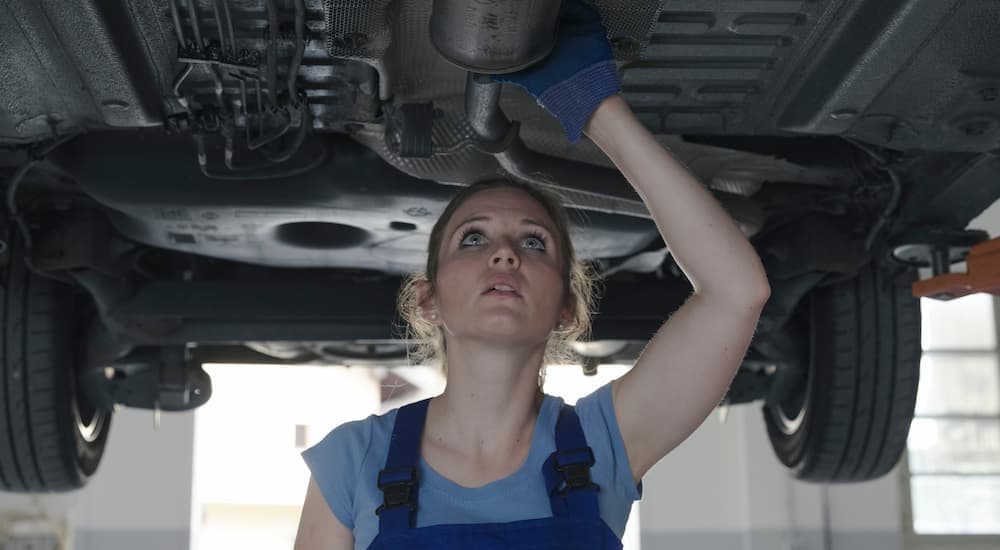
There’s a bit of a paradox when it comes to automotive maintenance. While today’s cars, trucks, and SUVs are more complex than ever, they actually require less in the way of regular maintenance thanks to the steady integration of advanced technology and engineering practices. It’s not unusual for a contemporary vehicle to travel some 10,000 miles between service appointments, and sophisticated diagnostic systems allow drivers to quickly spot malfunctions before they can progress into bigger issues.
That said, advanced technology is no excuse for lackluster maintenance. Sticking to a strict maintenance schedule is one of the easiest ways to maximize your automotive investment. From oil changes and tire rotations to filter and fluid changes, wheel alignment, and new brake pads and rotors, these tasks are essential if you want to ensure consistent performance, efficiency, and safety every time you step behind the wheel.
How do these routine maintenance projects improve the daily driving experience, and why is it so important to find an auto repair shop that you can trust? We’re glad you asked. Join us as we explain some common automotive repair tasks and learn how partnering with the LaFontaine Automotive Group can lead to years of worry-free driving.
Oil Change
We’ll start with the most important maintenance task of all: the oil change. Your vehicle’s engine is jam-packed with hundreds of precisely engineered components designed to work in perfect harmony. This is only possible thanks to a steady supply of oil, which keeps everything running smoothly while reducing overheating and wear.
Most engines are designed with a handy dashboard alert that’ll let you know if your oil pressure or level drops below an acceptable threshold, but you can never be too careful when it comes to your vehicle’s most expensive component. Experts recommend giving your dipstick a quick check at least once a month, or every other time you fill up the gas tank, to make sure it’s full.
If the oil is at the right level, but looking a little past its prime, it might be time for an oil change. Regardless of the oil’s conditions, drivers should plan to perform an oil change every 5,000 to 7,500 miles. Older vehicles might recommend an accelerated interval of 3,000 to 5,000 miles, but once again, it all comes down to the fine print in your owner’s manual.
There are a few tips and guidelines drivers should keep in mind when it comes to the all-important oil change. First, always consult the owner’s manual to make sure you’re using the right type of oil. An engine that’s designed to run on conventional oil can be filled with a synthetic blend, but the reverse is a different story altogether. Conventional oil doesn’t possess the same lubricating and heat-fighting properties as newer synthetic blends, and can lead to accelerated wear and tear, reduced fuel efficiency, and even affect warranty coverage.
The time of year and temperature can also impact your oil change routine. Many drivers opt for a thinner, low-viscosity blend like 0W-20 or 0W-30 during the winter, which is designed to flow quickly throughout the engine even at low temperatures. Summer weather often calls for a thicker, high-viscosity product like 10W-30 or 5W-30, which provides better protection from high temperatures.
Motor oil isn’t the only fluid you need to keep an eye on if you want your vehicle to perform at its best. From coolant and windshield washer fluid to transmission and brake fluid, each type serves an important role. Your vehicle’s owner’s manual should lay out a model-specific timetable that outlines regular checks, flushes, and changes. As always, it’s a good idea to spend a little time thumbing through this vital guide.
Filter Replacements
You might be surprised to learn just how important a simple paper filter can be for automotive performance. In order to operate as the manufacturer intended, your (gas-powered) car, truck, or SUV needs to be fed a steady and precise combination of air and fuel. Add a little spark, and you’ve got everything you need for a successful combustion cycle, but a dirty or damaged filter can throw the whole formula right out of whack.
Replacing the engine air filter every 12,000 to 15,000 miles can significantly improve performance. In fact, some studies suggest that a new filter can improve a vehicle’s fuel efficiency by as much as 10%. That can translate into serious savings if you spend a lot of time in the driver’s seat. It also helps enhance the long-term performance of downstream components that might otherwise feel a little choked out by a lack of air.
Some filters are rated to last up to 30,000 miles, but as always, it’s best to check the owner’s manual for any model-specific guidelines. Engine air filters are often replaced during oil changes, with many lube shops offering fresh filters for a small fee. This makes it easier to stay on top of scheduling, though a simple filter replacement is well within the purview of most drivers.
Then there are cabin air filters. While these don’t affect the vehicle’s performance, they can make a world of difference to the overall driving experience. Moldy, musty air can make even a short drive feel like a cross-country road trip, but by replacing your cabin air filter every 15,000 miles, you can breathe just a little easier.
Replacing Brake Pads and Rotors
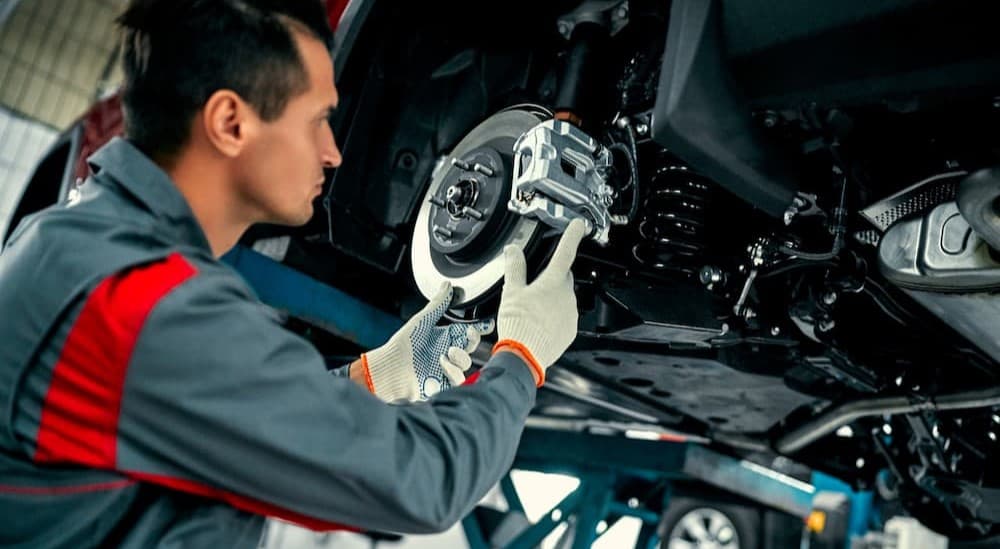
There’s only one thing more important than ensuring your vehicle can safely and effectively move down the road, and that’s ensuring that it can stop. Brake pads and rotors are two important parts of your vehicle’s braking system. They also need to be replaced on a regular schedule unless you want to end up coasting right past your driveway.
Every time you step on the left pedal, your brake calipers squeeze the pads against the rotors, generating friction and bringing the vehicle to a stop. This system works well when the pads and rotors are in good shape. However, an older, worn-out set can lead to dangerously long stopping distances and an overall sketchy ride.
Your brake pads should generally be replaced every 30,000 to 50,000 miles, but again, it depends on your specific vehicle, driving habits, and ambient conditions. Procrastinating on pad replacement can cost you dearly, especially if a set of worn pads starts to cause deep, irreversible grooves in the brake rotors. Brake rotors typically last between 50,000 and 70,000 miles, and are generally replaced on every other pad change. Sticking to a regular schedule helps eliminate guesswork, but there are also clear-cut signs that pads and rotors have outlived their service life. If you notice your vehicle pulling to one side when braking, or any unusual grinding, squeaking, or squealing noises, you might be overdue for a brake job.
Tire Rotation
Drivers tend to focus on the goods under the hood when it comes to routine maintenance, but what about the tires? When properly cared for, a good set of tires can provide years of safe, consistent driving, and it all starts with regular rotations. From the natural friction of the pavement to the slope of the road, frequent left-hand turns, and the wear-and-tear that comes with an AWD powertrain, tires tend to wear away as you go about your driving duties. Over- or underinflated tires can exacerbate the issue and leave you at your local tire shop well ahead of schedule.
Luckily, there’s an easy way to combat this sort of wear. By rotating your tires to a new corner of your car every 5,000 to 7,000 miles, drivers can enjoy consistent performance and prolonged tread life. The exact rotation procedure varies depending on the vehicle’s unique design. Front-wheel drive (FWD) vehicles aren’t easy on their front tires, so a typical rotation schedule involves moving the front wheels to the back while crossing the back wheels to the opposite side of the front end.
If you’re piloting a rear-wheel drive model, we’d recommend the opposite approach, moving the back wheel straight forward while crossing the front wheels to the opposite side of the rear. AWD and 4WD models introduce yet another wrinkle, but follow relatively simple “X” patterns, with the front-right wheel becoming the back-left and so on.
Tire rotation might sound intimidating for the uninitiated, but it’s actually one of the easier tire-related tasks a driver could hope to encounter. The project can be completed with a few simple tools, a jack, and a torque wrench, though calling in the pros does have its advantages when it comes to spotting minor flaws and imperfections before they can balloon into big-ticket repairs.
Wheel Balancing and Alignment
Rotation isn’t the only tire-related task that drivers should concern themselves with. Regular wheel balancing is another easy way to ensure your tires achieve their maximum tread life. It is often performed right alongside a rotation, with both tasks being recommended every 5,000 to 7,000 miles.
Simply put, wheel balancing is a way to undo the damage done by the road. Michigan drivers know all about the toll winter driving can take on their vehicles, whether from potholes, frost heaves, or other common road hazards. These obstacles can take a toll on your wheels and cause uneven weight distribution, throwing the whole ride out of whack with vibrations that get worse the faster you drive.
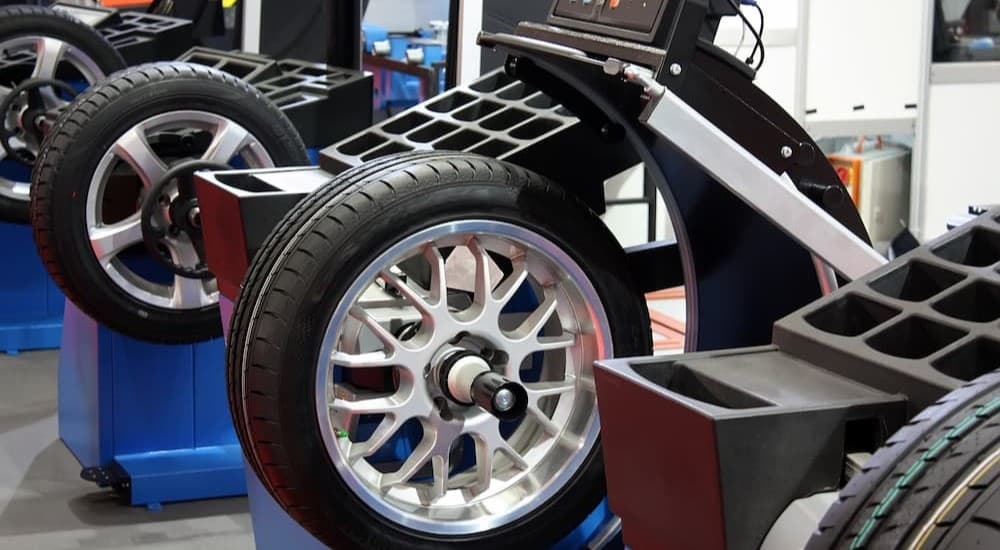
Wheel balancing is the easiest way to combat this all-too-common scenario. When you visit your trusted mechanic or dealership, technicians use advanced diagnostic equipment to identify flaws and then use small weights to correct any imbalance. This not only guarantees a smoother ride but also helps to protect other sensitive components from the rigors of the roads.
Alignment serves a similar purpose by subtly correcting each wheel’s position. In a perfect world, each wheel should be parallel to its opposite number and perpendicular to the ground, but as we all know, your average Midwest road is far from perfect. Alignment involves a technician adjusting the suspension to put every wheel in its correct place and has a noticeable effect on efficiency and control. Wheel alignment should be performed every 10,000 to 15,000 miles, but, like balancing, it is best left to the experts. On top of the specialized equipment required to balance tires, amateur mechanics also risk making a bad situation worse if they launch into either project without the proper training.
Enjoy Service With a Smile
If you’ve been searching for an elevated service experience that’ll allow you to hit the road with confidence, the LaFontaine Automotive Group is here to help. Our comprehensive service centers deliver the highest standard of care, with factory-trained and certified technicians performing every project with the quality parts and attention to detail your ride deserves.
We even offer an Alignments for Life program with complimentary six-month inspections at all 43 of our locations. Are you looking for an all-inclusive service plan that’ll let you cross routine maintenance off your to-do list? The Family Deal includes complimentary alignments, tire patches, error code retrieval, battery tests, and brake inspections, as well as $500 towards your deductible on any collision-related repairs and a price match guarantee on all tires. If you’re looking for a partner who will be there for all of your maintenance and repair needs, look no further than here.


